
amorphous simulant ivory simulant
Bone (Ivory Simulant)
Ca5(PO4)3(OH) (hydroxyapatite; same general composition as ivory dentine) in collagen matrix; technically microcrystalline hydroxyapatite but gemologically treated as amorphous/aggregate biomineral
Quick Facts
Hardness
2.0
Specific Gravity
1.7
Refractive Index
1.54
Optical Character
AGG
Crystal Structure
 #! Species: Bone (biomineral; ivory simulant)
#! System: Amorphous (composite biomineral: apatite + collagen)
#! Habit: Massive; carved and polished
amorphous[waxy]:{massive}
amorphous
none
{massive}
Physical Properties
Crystal Systemamorphous
Hardness (Mohs)2.0
Specific Gravity1.7
CleavageNone
FractureConchoidal to splintery
LustreWaxy to dull
Optical Properties
Refractive Index1.54
Optical CharacterAGG
FluorescenceWhite-blue (LWUV; similar to ivory; not diagnostic for separation)
Origin & Identification
Originsimulant
Diagnostic FeaturesHaversian canals (osteon/concentric ring microstructure around central channel; visible at 10x-40x) PRESENT in bone; ABSENT in ivory; absence of Schreger lines in bone (ivory has characteristic cross-hatch arcs at 100-130 degrees in cross-section); SG 1.70-2.00 (slightly lower than ivory 1.85-1.95)
Colours
White to cream-white; yellowing with age from collagen degradation; may be bleached
Common Inclusions
Haversian canals (osteon structure; parallel pore-like dots in cross-section; diagnostic of bone; ABSENT in ivory); absent Schreger lines (ivory has them; bone does not)
Notes
Skeletal bone from domestic animals (cattle, pigs, horses); carved, bleached and polished as ivory simulant. Crystal system set to amorphous (same convention as other organic/ biomineral entries). Note: technically hydroxyapatite is hexagonal, but bone as a whole is a composite biomineral (amorphous collagen + microcrystalline apatite) — gemologically treated as amorphous aggregate. Primary separation from ivory confirmed by Jha et al. 2017, Journal of Institute of Science and Technology 22(1):17745 (DOI 10.3126/jist.v22i1.17745) [VERIFIED]: "The presence of Schreger line is the identifying feature of an elephant tusk" — Schreger lines ABSENT in bone; Haversian canals ABSENT in ivory. These are the definitive microscopical diagnostics. SG 1.70-2.00 is lower than ivory (1.85-1.95; slight overlap). Hot-point: both give "burnt bone" smell (not diagnostic for separating bone from ivory; but distinguishes from plastic and vegetable ivory). CITES context: unlike elephant ivory, bone from domestic animals has no trade restriction — but fraudulent substitution is an issue.
Interactive Preview
Open this crystal in the CDL Playground to rotate, export, and explore in 3D.
Open in Playground #! Species: Bone (biomineral; ivory simulant)
#! System: Amorphous (composite biomineral: apatite + collagen)
#! Habit: Massive; carved and polished
amorphous[waxy]:{massive}
Related Minerals
Other minerals in the amorphous system

Ambroid (Pressed Amber)
Compressed and fused amber chips (same chemical composition as amber — fossil resin; succinite for Baltic amber)
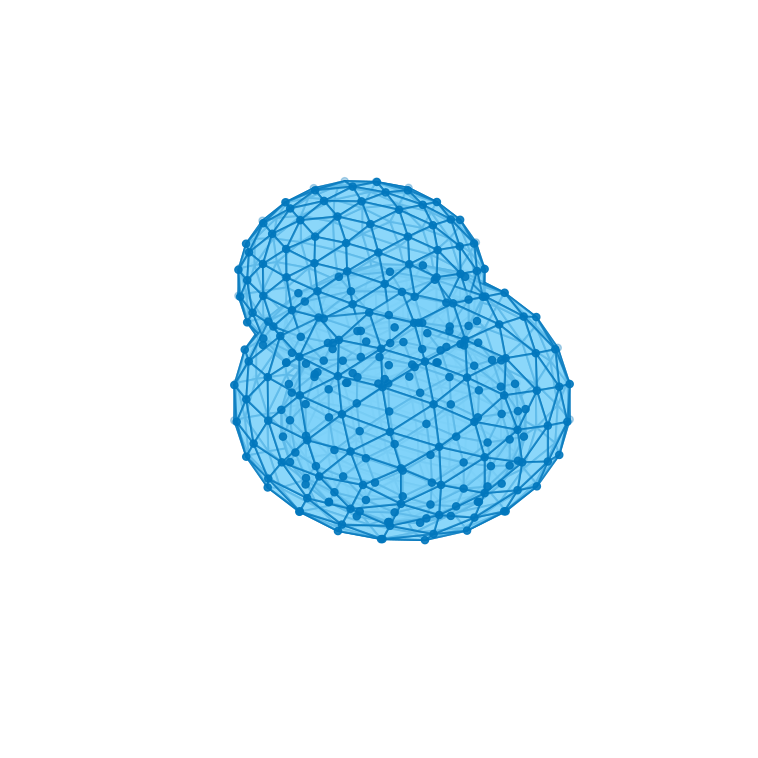
Chalcedony (Botryoidal)
SiO2
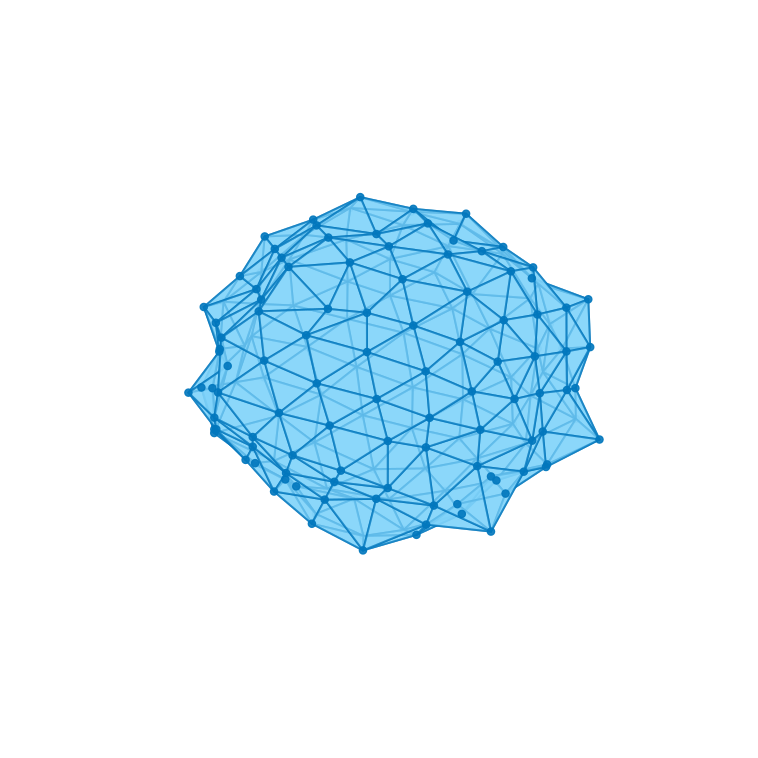
Chalcedony (Massive)
SiO2

Chrysocolla
(Cu,Al)2H2Si2O5(OH)4.nH2O

Copal (Amber Simulant)
Partially polymerised plant resin (labdanoid diterpenes; younger resin; not fully matured/polymerised)

Coral
CaCO3 (calcareous; polycrystalline calcite + organic matrix); black coral = gorgonin protein